
Cluttered closets can stifle productivity and create a sense of overwhelm. This comprehensive guide delves into the transformative power of closet organization, exploring the crucial steps to transform a chaotic space into a functional and aesthetically pleasing haven. From identifying the root causes of disorganization to implementing practical storage solutions, we’ll equip you with the knowledge and tools to achieve a well-organized closet that benefits your well-being and enhances your living space.
The journey to a perfectly organized closet starts with a deep dive into the “before” state. Understanding the current layout, common clutter culprits, and underlying reasons for disorganization provides the crucial foundation for effective solutions. We’ll explore how to document the “before” state accurately, using visual aids and detailed descriptions, to serve as a baseline for comparison and evaluation.
Closet Organization: A Pathway to a More Organized Life
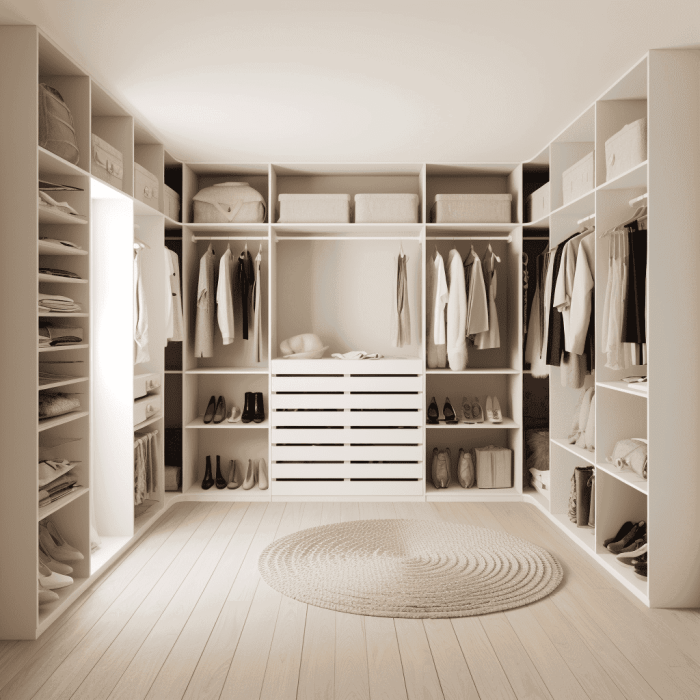
A well-organized closet isn’t just about aesthetics; it’s a cornerstone of a more productive and stress-free living space. From increased efficiency in daily routines to a tangible sense of accomplishment, the benefits of closet organization ripple throughout the home, fostering a positive and harmonious environment. This improved order extends beyond clothing, impacting our overall sense of well-being and productivity.Beyond the visual appeal, a well-organized closet translates to a more functional and efficient space.
This efficiency extends to the mental well-being of the individual, impacting mood and productivity. Conversely, a disorganized closet can be a breeding ground for stress and anxiety. The transformation from a chaotic, cluttered space to a streamlined, organized one represents a significant shift in personal perception, showcasing a clear pathway to a more positive living experience.
Benefits of Closet Organization
A well-organized closet offers a multitude of benefits, enhancing both practical and psychological aspects of daily life. Efficient storage solutions lead to a more streamlined daily routine, reducing the time spent searching for specific items. This translates to increased productivity in other areas of life, allowing more time for leisure activities or focusing on important tasks.
- Increased Efficiency: A well-organized closet allows for faster and easier clothing selection, minimizing wasted time and maximizing efficiency in morning routines. This translates directly into time saved, which can be redirected to other productive activities.
- Reduced Stress: The ability to quickly locate needed items eliminates the frustration of rummaging through a disorganized space. This sense of control and order contributes significantly to a more relaxed and stress-free lifestyle. A clear, organized space can be a tangible source of calm and order in a busy life.
- Enhanced Mood: Studies have shown a correlation between a tidy living environment and improved mood. A well-organized closet, part of a larger organized space, contributes to a sense of control and accomplishment, boosting self-esteem and overall well-being. The visual appeal of a well-organized space can have a profound effect on the individual’s emotional state.
Common Problems with Disorganized Closets
Disorganized closets present a range of challenges, often impacting daily life in unexpected ways. The problems extend beyond mere aesthetics, directly affecting the efficiency and mental well-being of the individual.
- Wasted Time: Searching for specific items in a cluttered closet wastes valuable time each day. This lost time could be used for more productive or enjoyable activities, highlighting the direct link between a disorganized space and decreased efficiency.
- Increased Stress: The frustration and anxiety associated with navigating a disorganized closet can lead to a general feeling of stress and overwhelm. This stress can spill over into other aspects of daily life, compounding the negative impact of a disorganized space.
- Decreased Self-Esteem: A cluttered closet can contribute to feelings of inadequacy and a sense of being overwhelmed. The feeling of being unable to control one’s environment can negatively impact self-esteem and create a downward spiral of stress and disorganization.
Before and After Closet Transformations
The transformation from a disorganized to an organized closet represents a significant shift in the perception of the space. It signifies a shift in the individual’s ability to manage their environment and take control of their time and energy.
- Visual Contrast: The difference between a cluttered and an organized closet is immediately noticeable. A before-and-after comparison showcases the stark contrast between a chaotic space and a streamlined, functional one.
- Psychological Impact: The transition from a disorganized to an organized space has a profound impact on the individual’s emotional state and self-perception. The feeling of control and order directly correlates with increased confidence and reduced stress.
Psychological Impact of a Well-Organized Closet
A well-organized closet contributes to a sense of control and order, impacting the individual’s mental well-being. This sense of control is transferable to other areas of life, fostering a sense of accomplishment and self-confidence.
- Improved Mood: A clean and organized space promotes a sense of calm and well-being. This sense of control and order can directly impact the individual’s emotional state, leading to a more positive and productive mindset.
- Increased Productivity: The ability to quickly locate needed items translates to reduced stress and increased efficiency. This improved workflow spills over into other areas of life, leading to greater productivity and accomplishment.
Before Closet Organization
Clutter in closets, a pervasive problem, often stems from a combination of accumulated items, poor storage solutions, and a lack of a defined organizational system. This disorganized state can extend beyond the confines of the closet, reflecting a broader pattern of disorganization in one’s life. Understanding the “before” state is crucial to creating a successful and lasting organizational solution.A disorganized closet is a visual manifestation of accumulated items and a lack of strategic storage.
This often leads to a feeling of overwhelm and a sense of being trapped by the clutter. The process of decluttering and reorganizing can be surprisingly therapeutic, leading to a more productive and efficient daily routine.
Typical Disorganized Closet Layout
A typical disorganized closet often lacks clear distinctions between categories of clothing. Items are piled haphazardly, creating a chaotic and overwhelming visual experience. Shelves are overloaded, drawers are crammed, and hanging rods are filled with clothes hanging unevenly, making it difficult to locate specific items. Clothes may be crumpled or folded haphazardly, resulting in a general sense of disarray.
In severe cases, the closet may become so cluttered that items are stacked on the floor or even overflowing onto the adjacent areas.
Common Clutter Types in Closets
Several types of clutter contribute to the disorganization of closets. Seasonal clothing, which is infrequently used, may be stored alongside everyday garments. Items that have been purchased but never used, or that are no longer needed, may be stored with current clothing, contributing to a general sense of excess. Items like shoes, handbags, and accessories, often stored in a disorganized fashion, contribute to the overall feeling of clutter.
Lastly, items that are not intended for storage in a closet, such as sports equipment or bulky household items, may find their way into the closet, further exacerbating the problem.
Common Causes of Disorganization in Closets
The causes of closet disorganization are often multifaceted. A lack of a clear storage system or a designated space for each item can lead to accumulation. Failure to regularly declutter and remove items that are no longer needed is another contributing factor. Over time, the accumulation of new items, without corresponding removal of old ones, can lead to a build-up of clutter.
Limited storage space can make organization more challenging, and a lack of time for maintenance contributes to the growing chaos.
Potential Storage Solutions for an Unorganized Closet
Implementing effective storage solutions is key to transforming a disorganized closet into an organized space. Utilizing vertical space with stackable storage units or shelves is an effective solution. Utilizing hanging organizers for maximizing space and keeping items separate is another potential solution. Utilizing drawer dividers or organizers to maximize space and keep items separate is another potential solution.
Consider purchasing additional storage containers, such as bins and boxes, to categorize items and maintain order.
Documenting the “Before” State
Thorough documentation of the “before” state is critical to understanding the extent of the disorganization and to measure the effectiveness of the reorganization process. High-quality photos, taken from various angles, can effectively capture the existing layout and the extent of the clutter. Videos can provide a dynamic perspective, showcasing the overall state of the closet. Detailed descriptions of the problem areas, including measurements of shelves, the number of items, and the types of clutter, can further enhance the documentation.
These records provide a valuable reference point for evaluating the success of the organization process. A comprehensive record of the “before” state will aid in assessing the improvement achieved after the organization process is completed.
After Closet Organization
The transformation from a chaotic closet to a meticulously organized space is more than just aesthetic. A well-organized closet fosters a sense of calm and efficiency, directly impacting daily life. It streamlines the morning routine, reduces decision fatigue, and promotes a sense of control over one’s belongings. This newfound order extends beyond the closet itself, reflecting a broader sense of personal organization and well-being.A well-organized closet, far from being a mere storage solution, is a reflection of the owner’s values and priorities.
The strategic placement of items, the thoughtful selection of storage solutions, and the overall layout contribute to a space that is both functional and aesthetically pleasing. This is not just about tidiness; it’s about creating a system that seamlessly integrates with the owner’s lifestyle.
Organized Closet Layout
A well-organized closet prioritizes visual clarity and efficient access. Clothes are categorized and grouped by type, color, or season. Hanging space is optimized for shirts, dresses, and suits, while drawers accommodate undergarments, socks, and other smaller items. Shelving units strategically hold shoes, handbags, and accessories, maximizing vertical space and minimizing clutter. This structured layout eliminates the need to rummage through piles of clothes, ensuring each item has its designated place.
Items are arranged in a logical sequence to maximize visual appeal and ease of use.
Benefits of Storage Solutions
Strategic use of storage solutions is crucial for maintaining order and maximizing space. Hanging organizers with dividers efficiently sort and separate garments, preventing wrinkles and maximizing space. Clear plastic bins, labeled and color-coded, help to keep similar items together. Stackable storage units provide additional vertical space for shoes, accessories, and out-of-season clothes. These solutions not only improve aesthetics but also streamline the process of finding and retrieving items.
For instance, using clear shoe boxes for different types of shoes allows easy identification, avoiding the frustration of rummaging through a pile of shoes.
Before and After Comparison
The difference between a before and after organized closet is stark. Before organization, closets often resemble a disorganized jumble, with clothes piled haphazardly on shelves and floors. Hanging clothes are often tangled, making it difficult to locate specific items. This unorganized state leads to a feeling of overwhelm and frustration. In contrast, an organized closet is a meticulously planned space, maximizing every inch of available space, allowing for clear identification of items.
Clothes are neatly folded or hung, and items are easily accessible. This creates a sense of order and clarity, reducing stress and maximizing efficiency.
Organized vs. Unorganized Closet Functionality
An organized closet enhances functionality in several key ways. Efficient retrieval of items saves time and minimizes wasted effort. The designated areas for each type of clothing or accessory eliminate the need for constant searching, improving productivity. This also minimizes the likelihood of damage to clothes due to incorrect storage, which can be a major issue in unorganized closets.
Unorganized closets, on the other hand, result in wasted time searching for items, potential damage to clothes, and a general feeling of disarray. The lack of clear organization and designated storage spaces reduces the efficiency of the space and the individual’s ability to manage their belongings effectively.
Organization Strategies for a Closet
A well-organized closet requires a systematic approach. The following strategies are essential for creating and maintaining order:
- Decluttering: Thoroughly evaluate each item and remove anything that is no longer needed, worn, or damaged. This initial step is critical to creating a functional and aesthetically pleasing space. Donate or sell unwanted items to free up valuable space.
- Categorization: Group similar items together. Clothes can be categorized by type, color, or season. This creates a logical flow and helps locate specific items quickly.
- Space Optimization: Utilize every inch of space. Install hanging organizers, utilize vertical shelving, and use stackable containers to maximize storage capacity.
- Regular Maintenance: Maintain the organized state by regularly returning items to their designated spots. This prevents clutter from accumulating and ensures the closet remains efficient and functional.
Implementing these strategies results in a well-maintained and functional closet, impacting daily life positively.
Storage Solutions and Techniques
Beyond decluttering, maximizing storage solutions is crucial for long-term closet organization. Properly chosen and utilized storage systems can transform a chaotic space into a functional and aesthetically pleasing environment. This section delves into various storage options, comparing their effectiveness and showcasing how to leverage them to achieve optimal closet space utilization.Effective closet organization hinges on thoughtful storage choices.
By understanding the advantages and disadvantages of different systems, one can create a tailored approach to maximizing space and minimizing clutter. Choosing the right storage method for each item type is key to maintaining an organized and efficient closet.
Different Storage Solutions
A diverse range of storage solutions is available, each with unique characteristics. Understanding these differences is essential for making informed choices.
- Shelves: Versatile and adaptable, shelves offer a straightforward way to store items. They are ideal for displaying decorative items, shoes, or off-season clothing. Their adaptability allows for customization, but their effectiveness hinges on the specific item and the available space.
- Drawers: Drawers are excellent for storing smaller items like socks, underwear, and accessories. They provide a tidy and organized storage space, particularly for delicate or frequently used items. The depth and size of drawers directly impact the amount of items they can accommodate.
- Bins: Bins come in various sizes and materials, from clear plastic to fabric. They’re useful for grouping similar items, organizing shoes, or storing folded clothes. Bins are particularly effective in maximizing vertical space and maintaining a uniform look within the closet.
- Hanging Organizers: These are designed to maximize hanging space and keep items separated. They are excellent for t-shirts, blouses, and dresses, improving the visual appeal and organization of hanging clothing. Their effectiveness relies on the proper selection of the size and type to match the hanging items.
Comparing Storage Solutions
The effectiveness of storage solutions depends on several factors, including the item being stored, the size of the closet, and personal preferences. A comprehensive comparison can guide decision-making.
| Storage Solution | Advantages | Disadvantages |
|---|---|---|
| Shelves | Versatile, adjustable, suitable for various items, good for displaying | Can take up significant floor space, may not be ideal for lightweight items |
| Drawers | Ideal for small items, maintain a tidy appearance, convenient access | May not be suitable for bulky items, can be expensive depending on size and material |
| Bins | Excellent for grouping items, maximize vertical space, cost-effective | Can be difficult to maintain organization, may not be suitable for all items |
| Hanging Organizers | Maximize hanging space, keep items separate, improve visual appeal | Can be expensive, may not be suitable for all clothing types |
Maximizing Closet Space
Strategic placement and thoughtful selection of storage solutions are crucial to achieving optimal space utilization.
- Vertical Space Optimization: Utilizing vertical space is key. Install tall shelves, use stackable bins, and consider hanging organizers to efficiently utilize the entire height of the closet. This effectively increases storage capacity without compromising the closet’s overall aesthetics.
- Multi-tiered Storage: Implementing multi-tiered storage solutions allows for efficient organization of different item types. For instance, using shelves for shoes on the bottom and drawers for accessories on top maximizes the use of vertical space and minimizes clutter.
Closet Systems
Different closet systems offer varied advantages based on the structure of the closet and the needs of the user.
- Custom Closet Systems: These systems are tailored to the specific dimensions and needs of the closet. They are highly adaptable and maximize space utilization. The cost is typically higher, but the level of customization makes them valuable for optimizing storage.
- Modular Closet Systems: These systems are built with interchangeable components. They are flexible and adaptable to different closet sizes and layouts. Their modular design allows for easy modification and rearrangement as needed.
Clothing Organization Methods

From overflowing drawers to forgotten garments, a disorganized closet can sap productivity and contribute to a sense of overwhelm. Effective clothing organization, however, can transform a chaotic space into a functional and inspiring haven. Strategic methods, tailored to individual needs, are crucial to achieving and maintaining a well-organized closet.
Categorization by Type and Season
Categorizing clothes by type and season streamlines retrieval and reduces clutter. This method efficiently separates items based on their intended use and anticipated usage periods. Seasonal transitions, such as moving from winter to summer clothing, become less disruptive. Clothes can be easily rotated based on the changing seasons.
- Seasonal Rotation: Divide clothing into distinct piles for spring, summer, fall, and winter. Store out-of-season items in airtight containers or vacuum-sealed bags to prevent dust buildup and maintain their quality. This strategy allows for smooth transitions between seasons, minimizing the effort required to adapt to changing weather patterns.
- Clothing Type Grouping: Separate garments into categories like tops, bottoms, dresses, outerwear, and sleepwear. This approach helps with quick access to specific items, reducing the time spent searching for particular garments. Such a division also facilitates the creation of capsule wardrobes.
Organizing Specific Clothing Items
Efficient organization of specific clothing items optimizes storage space and simplifies dressing routines. Each type of garment benefits from tailored organization strategies.
- Tops: Organize tops by sleeve type (long, short, sleeveless), neckline (round, V-neck, square), and color. Hang shirts and blouses on hangers, while folding t-shirts and tank tops neatly. Utilize drawer dividers for smaller items to prevent them from getting tangled or crumpled.
- Bottoms: Organize pants, skirts, and shorts by length, waist size, and fabric type. Fold pants and skirts neatly to maintain their shape and to maximize storage space. Consider using garment organizers to prevent wrinkles and maintain their quality.
- Dresses: Hang dresses on hangers, ensuring the dress hangs straight to prevent wrinkles. Categorize them by occasion (formal, casual, work) or color for quicker retrieval. Use dress forms for preserving the shape of delicate fabrics.
Organizing Shoes, Handbags, and Accessories
Organizing shoes, handbags, and accessories is essential for maintaining a clutter-free closet. Each item requires a specific strategy to ensure efficient storage and access.
- Shoes: Organize shoes by type (sandals, boots, sneakers) and color. Utilize shoe organizers or storage boxes to maintain their shape and prevent damage. Consider vertical shoe storage solutions for maximizing space. For high heels, use individual shoe bags or hang them from a shoe organizer to avoid scuffing.
- Handbags: Store handbags by type, color, or occasion. Use handbag organizers or shelves to keep handbags from getting crushed or damaged. Invest in garment covers for protecting leather handbags from dust and moisture.
- Accessories: Organize accessories like scarves, belts, jewelry, and hats by type and color. Utilize accessory organizers or boxes to keep them from getting tangled or misplaced. For belts, hang them on a belt rack or store them in a designated box.
Creating a Capsule Wardrobe
A capsule wardrobe is a curated collection of versatile clothing items that can be mixed and matched to create a variety of outfits. This approach reduces the need to purchase excessive amounts of clothing and fosters a more conscious and sustainable approach to fashion.
- Core Items: Identify core items like neutral-colored tops, versatile bottoms, and essential outerwear that can be combined with other items in the capsule wardrobe. Focus on high-quality, durable garments that can withstand repeated wear.
- Color Palette: Choose a color palette that reflects personal style. A limited color palette allows for easy outfit creation and reduces the need to choose multiple colors. Stick to a few neutral colors and add a few accent colors.
- Versatility: Select clothing items that can be styled in multiple ways. Multifunctional items, such as a trench coat or a neutral-colored blazer, allow for greater outfit flexibility.
Storing Clothes: Folded vs. Hanging
The method of storing clothing (folded or hanging) depends on the type of garment and the available storage space. Efficient storage methods prevent wrinkles and maintain the quality of garments.
- Hanging Clothes: Hang items like shirts, blouses, dresses, and coats on hangers. Use sturdy hangers to maintain the shape of garments. Organize hangers by color or type for efficient retrieval.
- Folded Clothes: Fold items like t-shirts, sweaters, and pants to maximize space. Use appropriate folding techniques to maintain their shape and prevent wrinkles. Use drawer dividers or organizers to prevent folded clothes from getting wrinkled or crushed.
Choosing the Right Tools and Supplies
From meticulously assessing your storage needs to selecting the optimal containers, the right tools and supplies are crucial for a successful closet overhaul. A well-considered approach saves time, money, and frustration in the long run, ensuring your newly organized closet remains functional and aesthetically pleasing. A comprehensive strategy goes beyond mere aesthetics; it optimizes space utilization and simplifies daily routines.Properly chosen storage solutions directly impact the effectiveness and longevity of your closet organization.
A thoughtfully selected set of tools and containers can transform a cluttered space into a well-structured and efficient system. This involves a careful evaluation of available space, clothing types, and desired functionality.
Identifying Necessary Tools and Supplies
A successful closet organization project requires a range of tools and supplies, from simple to specialized. These tools and supplies are essential to ensure the process is smooth and efficient, allowing for maximum effectiveness and minimum stress. Essential items include sturdy containers, adjustable shelves, hanging organizers, and potentially even specialized tools like garment racks or shoe organizers.
Choosing the Right Storage Solutions
Storage solutions should be carefully chosen based on the unique needs and constraints of the closet space. This careful consideration ensures that the selected storage solutions perfectly complement the closet’s dimensions and the specific needs of the user. Consider the amount of space available, the type of clothing stored, and the desired level of organization. For example, tall, narrow containers are ideal for storing folded clothes, while wider, shallower containers are better suited for shoes or accessories.
List of Necessary Materials
- Containers: Various sizes and types are needed, including plastic bins, fabric boxes, and drawer dividers. Transparent containers allow for easy identification of contents, while opaque containers offer a more aesthetic presentation.
- Shelving Units: Adjustable shelves are ideal for maximizing vertical space. Consider the height and width of the closet when selecting shelves.
- Hanging Organizers: These are useful for maximizing space in hanging sections of the closet, and come in a variety of sizes and styles.
- Hooks and Rods: For hanging clothes and accessories, these are essential.
- Labeling Supplies: Labels are essential for identifying contents, particularly when using multiple containers.
- Measuring Tape: Crucial for accurate assessment of space and selection of appropriate storage solutions.
- Markers: For labeling containers and customizing organizers.
Comparing Different Materials for Closet Organization
Different materials offer varying advantages in terms of durability, cost, and aesthetic appeal. Choosing the right material is a critical step in the process, directly impacting the long-term effectiveness and satisfaction with the project. Plastic containers are generally inexpensive and readily available, while fabric boxes offer a more stylish, yet potentially less durable option. Wooden organizers can be aesthetically pleasing but are more costly.
Consider the durability and the long-term costs when making your selection.
Recommended Tools and Supplies
- Plastic Storage Bins: Various sizes and styles are useful for folded clothes, shoes, and accessories. Look for stackable options to maximize vertical space.
- Fabric Storage Boxes: Offer a stylish alternative to plastic bins, particularly for items that are displayed on shelves.
- Adjustable Shelving Units: Allow for customization to suit different closet configurations and clothing needs.
- Hanging Organizers: For maximizing space in hanging areas, these are useful.
- Clothes Hangers: Sturdy, non-slip hangers are important for preventing clothes from sliding or falling.
- Drawer Dividers: These help organize items within drawers, maximizing space and preventing items from shifting or getting lost.
- Shoe Organizers: Essential for keeping shoes organized and accessible.
- Label Maker: Enables quick and easy labeling of containers.
Step-by-Step Organization Procedures
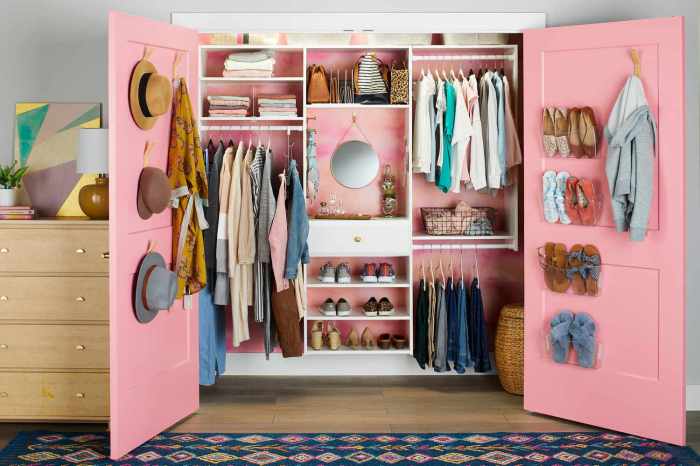
Transforming a chaotic closet into a well-organized haven requires a methodical approach. A step-by-step procedure ensures efficiency and prevents overwhelm, ultimately leading to a more satisfying and functional space. This structured approach maximizes storage space and optimizes clothing accessibility.Effective closet organization hinges on a systematic approach. A well-defined process, coupled with the right tools and techniques, makes the entire endeavor less daunting and more achievable.
The following sections detail the crucial steps for achieving a truly organized closet.
Decluttering the Closet
Thorough decluttering is the cornerstone of any successful closet organization. Items that no longer serve a purpose, fit poorly, or are simply unwanted should be removed. This process not only creates space but also allows for a fresh perspective on the existing wardrobe.
- Assess and Sort: Begin by evaluating each item. Consider factors such as wear, fit, and personal preference. Separate items into three piles: keep, donate/sell, and discard. Items that are stained, damaged, or no longer desired should be discarded immediately. Donated or sellable items should be prepared for their new homes.
- The “Keep” Pile: Carefully inspect items in the “keep” pile. Discard items that are too small, too large, damaged beyond repair, or no longer aligned with your personal style. Items that are worn out or no longer fit should be removed from the “keep” pile.
- The “Donate/Sell” Pile: Ensure these items are in presentable condition for donation or resale. Clean, repair, or iron as needed. Items that have been previously worn should be cleaned and prepared for donation.
- The “Discard” Pile: Items that are beyond repair or unwanted should be disposed of properly. Ensure proper waste disposal.
Essential Tasks Before Organizing
Prior preparation is key to a smooth and efficient organization process. The tasks listed below will help streamline the process and create a more favorable environment for organizing.
- Empty the Closet Completely: Remove all clothing, accessories, and storage items from the closet. This provides a clear workspace for evaluation and sorting.
- Gather Supplies: Prepare necessary tools such as storage containers, hangers, and organizational tools. A pre-organized supply kit will save time and effort during the organization process.
- Clean the Closet: Thoroughly clean the interior of the closet, removing dust, debris, and lingering odors. A clean closet creates a more hygienic and inviting environment for storing clothing.
Essential Tasks After Organizing
Post-organization maintenance is just as important as the initial process. The tasks listed below will help maintain the closet’s order and prevent future disorganization.
- Re-stock the Closet: Return the organized items to the closet, placing them in the designated areas.
- Establish a Maintenance Routine: Regularly check for clutter and adjust storage solutions as needed. This ensures that the closet remains organized and functional.
- Set Up a System for New Arrivals: Establish a system for handling new clothes to maintain the existing organization.
Organizing the Closet
The organizing process itself is crucial to success. The following steps Artikel a systematic approach to effectively organize the closet.
- Sort and Categorize: Group similar items together (e.g., shirts, pants, dresses). This grouping will improve accessibility and organization.
- Choose the Right Storage Solutions: Select appropriate storage solutions (e.g., shelves, drawers, organizers) to maximize space and minimize clutter. Consider items’ sizes and types when selecting storage solutions.
- Hang Clothes Efficiently: Utilize appropriate hangers to maintain order and prevent wrinkling. Ensure clothes hang evenly and smoothly.
- Optimize Space: Utilize vertical space and maximize shelf and drawer space. Organize items strategically to avoid overcrowding.
Maintaining an Organized Closet
A meticulously organized closet isn’t a one-time achievement; it’s an ongoing commitment. Maintaining the order you’ve established requires proactive strategies and a consistent approach. Neglecting these strategies can quickly lead to a return to chaos, negating all the hard work put into the initial organization.Consistent maintenance is key to long-term closet organization success. By implementing regular routines and addressing potential problems early, you can keep your closet functioning as a well-oiled machine for storing and accessing your clothing efficiently.
This ongoing maintenance prevents clutter from accumulating and preserves the aesthetic appeal and functionality of your organized space.
Proactive Strategies for Preventing Clutter
Maintaining a clutter-free closet hinges on proactive measures. These strategies, implemented consistently, prevent the accumulation of items that disrupt the system.
- Regular Purge Sessions: Schedule periodic reviews of your clothing collection. This can be weekly, bi-weekly, or monthly, depending on your lifestyle. Remove items that no longer fit, are damaged, or haven’t been worn in a year. Donating or selling these items keeps your closet focused on current needs and prevents a buildup of excess.
- “One In, One Out” Rule: Introduce a simple rule to maintain a balanced closet inventory. For every new piece of clothing you bring into your wardrobe, remove an equivalent item that is no longer useful. This helps to prevent a constant influx of items that could lead to overflow. The “one in, one out” rule promotes a mindful approach to acquiring new clothing, preventing an overabundance of items.
- Seasonal Rotation: As seasons change, rotate your clothing accordingly. Store items you won’t need for the upcoming season in off-season storage containers. This practice maximizes space utilization and ensures you have access to the appropriate garments at the right time. Efficient use of space and minimizing the risk of forgetting about seasonal items are key benefits of this rotation.
Consistent Organization and Maintenance Techniques
Regular maintenance of your closet is vital for preserving the initial order. Strategies for consistent organization and maintenance are crucial for a long-term, successful approach.
- Weekly Checks: Dedicate a short period each week to tidying up your closet. This involves putting away items that have been misplaced, checking for wrinkles or damage, and adjusting the organization system as needed. This small effort will prevent small problems from escalating into major clutter issues. Consistency is key; even 15 minutes per week can make a significant difference.
- “Touch and Toss” Method: Regularly review every item in your closet. If you haven’t worn it in several months, give it a “touch and toss” assessment. If you’re unsure if you’ll wear it again, it’s time to part with it. This practice encourages a proactive approach to decluttering and minimizes the likelihood of unwanted items accumulating.
- Storage Solutions Refinement: Regularly evaluate your storage solutions. Adjusting storage as needed for different seasons or item types will help prevent clutter. This involves checking if existing storage is adequate and replacing any damaged or outdated containers. Assessing the storage solutions, and updating them as necessary, ensures maximum efficiency.
Importance of Maintaining Consistent Maintenance
Consistent maintenance of your closet is essential to sustain the gains achieved from initial organization efforts. Failure to maintain consistent maintenance results in a gradual accumulation of clutter, leading to a return to the original disorganized state.
Consistent closet maintenance is not just about preserving order; it’s about maximizing your wardrobe’s usability and creating a space that reflects your lifestyle and personal style.
Maintaining your closet is a key part of overall organization. It avoids the need for a major reorganization project in the future. This is more efficient and cost-effective than dealing with a major reorganization later on.
Visual Representation
A well-organized closet isn’t just about functionality; it’s a visual statement reflecting a streamlined lifestyle. Visualizing the before-and-after transformation provides a powerful impetus for action, highlighting the impact of strategic organization. This section explores visual representations of closet organization, offering tangible examples and tools to effectively plan and execute your own transformation.
Before and After Closet Comparison
This table contrasts a disorganized closet with one that’s been strategically optimized.
| Before | Problem | Solution | After |
|---|---|---|---|
| Cluttered, overflowing shelves and drawers. Clothing piled haphazardly. | Lack of designated storage, inadequate space utilization, poor accessibility. | Implementing storage solutions, maximizing vertical space, and implementing a consistent clothing organization method. | A meticulously organized closet with clearly defined areas for different clothing types. Everything is easily accessible and visible. |
Clothing Storage Solutions by Category
This table details optimal storage solutions for different clothing types, maximizing space and minimizing clutter.
| Clothing Category | Storage Solution | Explanation |
|---|---|---|
| Hanging Clothes (shirts, blouses, dresses) | Elongated hanging rods, adjustable closet organizers, and maximizing vertical space with stacked shelves. | Hanging maximizes space and allows for easy access and visual inventory of garments. |
| Folded Clothes (pants, sweaters, t-shirts) | Clear bins, drawer dividers, and designated areas for folded items. | Folded items are stored efficiently in drawers or shelves, avoiding wrinkles and ensuring easy access. |
| Shoes | Shoe racks, shelves, or designated areas. | Organized storage prevents damage and ensures easy access to desired footwear. |
| Accessories | Jewelry organizers, boxes, and designated shelves or drawers. | Specific compartments for accessories keep them tidy and prevent tangling or loss. |
Vertical Space Optimization
Maximizing vertical space is crucial for maximizing closet capacity. This table illustrates optimal use of vertical space for storage, including overhead storage and multi-tiered shelving.
| Vertical Space Utilization Strategy | Description | Benefits |
|---|---|---|
| Utilizing overhead space | Installing shelves or storage solutions above existing shelving. | Increases overall capacity and frees up valuable floor space. |
| Multi-tiered shelving | Installing shelves in tiers to create various storage levels. | Allows for efficient use of space and storage of different clothing types. |
Closet Organization Process Breakdown
This table details the step-by-step closet organization process, offering a clear roadmap for success.
| Step | Action | Explanation |
|---|---|---|
| 1. Declutter | Remove all items from the closet. | Identify items to donate, discard, or keep. |
| 2. Categorize | Group items by type (e.g., shirts, pants, dresses). | Facilitates efficient storage and visual organization. |
| 3. Assess Needs | Evaluate storage solutions based on category. | Choose appropriate storage solutions for each category. |
| 4. Implement Solutions | Organize items in designated areas. | Place items in their designated storage locations. |
| 5. Final Check | Ensure all items are properly stored and accessible. | Verify the effectiveness of the organization and address any remaining issues. |
Summary
In conclusion, transforming your closet from a chaotic jumble to a well-organized sanctuary is achievable with the right strategies and tools. This guide has Artikeld a complete process, from assessing the “before” state to implementing effective storage solutions and maintaining an organized space. The positive impact extends beyond aesthetics, creating a more functional and psychologically supportive environment. By adopting the practical tips and techniques presented here, you can embark on a rewarding journey towards a more organized and fulfilling life, one well-organized closet at a time.
