
Japanese sun umbrellas, renowned for their intricate craftsmanship and cultural significance, have evolved into compact marvels of portability. This in-depth exploration delves into the design elements, materials, and manufacturing processes behind these lightweight wonders. From traditional artistry to modern innovations, we uncover the secrets of the Japanese sun umbrella compact, examining its features, functionality, and market trends.
The article provides a comprehensive overview of Japanese sun umbrellas, focusing on the compact designs. It explores the key design elements that contribute to their portability, including folding mechanisms, size, weight, and handle types. Furthermore, it examines the materials and construction techniques used to achieve a lightweight and durable product, while highlighting the aesthetic considerations that enhance both style and functionality.
Overview of Japanese Sun Umbrellas
Japanese sun umbrellas, known as
- kasa*, are more than just practical items; they are deeply ingrained in Japanese culture, reflecting aesthetic sensibilities and social norms. Beyond their function, they showcase a rich history of craftsmanship and evolving design. From elaborate ceremonial uses to everyday practicality, the
- kasa* has played a significant role in Japanese life.
Japanese sun umbrellas have evolved from simple, utilitarian tools to intricate works of art, often incorporating traditional designs and materials. Their enduring appeal stems from their elegant form, the meticulous attention to detail in their construction, and the cultural significance they hold.
Cultural Significance
The
- kasa* holds profound cultural significance in Japan, extending beyond simple shade. Its use has evolved over centuries, intertwining with rituals, social customs, and artistic expression. Historically,
- kasa* were not just for protection from the sun, but also symbolized status and wealth. Different types of
- kasa* were associated with specific occasions and social classes.
Evolution of Design
The design of Japanese sun umbrellas has undergone a fascinating evolution, reflecting changes in materials, technology, and cultural values. Early
- kasa* were often crafted from simple materials like bamboo and silk, while later designs incorporated more sophisticated techniques and elaborate patterns. The artistry in
- kasa* design is evident in the intricate weaving, the choice of materials, and the symbolic imagery used.
Materials Used
The selection of materials for Japanese sun umbrellas has been crucial in shaping their aesthetic and practical properties. Earlykasa* were frequently constructed from readily available materials like bamboo, silk, and paper. The use of these materials influenced both the appearance and the durability of the umbrellas. Later, the incorporation of lacquered wood and metal components added to the visual appeal and structural integrity.
- Bamboo: A traditional and readily available material, bamboo provided a lightweight yet sturdy frame for early
-kasa*. Its natural strength and flexibility allowed for intricate designs, and its inherent beauty contributed to the aesthetic appeal of the umbrella. Examples include the
-kasa* used in traditional tea ceremonies, which often showcase the natural grain of the bamboo. - Silk: High-quality silk was often used for the fabric of the
-kasa*, adding a touch of elegance and sophistication. The intricate weaving patterns and the rich colors of silk enhanced the aesthetic appeal of the umbrella. This is particularly evident in ceremonial
-kasa* used in important occasions. - Lacquer: The use of lacquer on wood components provided a durable and aesthetically pleasing finish. Lacquer’s ability to create intricate patterns and vibrant colors added a distinctive layer of artistry to the
-kasa*. This was common in high-status umbrellas. - Metal: Metal components, such as the frame and handles, added strength and durability to the
-kasa*. The use of metal also allowed for more elaborate designs and decorative embellishments. Examples include the intricate metalwork found on
-kasa* used in imperial ceremonies.
Compact Sun Umbrella Features
Japanese compact sun umbrellas have revolutionized outdoor protection, offering portability and practicality without compromising on functionality. Their innovative designs prioritize ease of use and convenient storage, catering to the modern lifestyle’s demands for lightweight and compact solutions. This evolution has seen a surge in popularity, particularly in urban environments and for travelers.These umbrellas leverage advanced engineering to achieve remarkable compactness.
Their design principles, focusing on material selection and folding mechanisms, are crucial in maximizing portability and minimizing bulk. The resulting product is a versatile tool for diverse needs, from daily commutes to outdoor leisure activities.
Folding Mechanisms
The efficiency of folding mechanisms is paramount for compact sun umbrellas. Different designs employ varying techniques to achieve rapid and secure folding. Spring-loaded mechanisms are frequently used for their quick deployment and retraction. These mechanisms often feature interlocking components that ensure a secure and stable folded state, preventing accidental opening during transport. Sophisticated designs may incorporate a combination of spring-loaded and manual mechanisms, offering a balance between speed and durability.
These folding mechanisms are meticulously engineered to withstand frequent use without compromising their compactness.
Size and Weight Specifications
Compact sun umbrellas are meticulously crafted to optimize size and weight. They often feature a diameter of less than 25 centimeters when folded, making them easily manageable for carrying in bags or pockets. Weight specifications typically fall below 300 grams, ensuring minimal burden on the user. These precise specifications make them practical for everyday use and travel.
Variations in size and weight can exist depending on the specific model, material used, and the umbrella’s design features.
Handle Types and Portability
The handle design significantly impacts the umbrella’s portability. Ergonomic handles provide a comfortable grip and prevent hand fatigue during extended use. Many models incorporate lightweight, yet robust, materials like aluminum or composite materials. The presence of a wrist strap or a carrying case allows for easy attachment to bags or backpacks, enhancing convenience and portability, while ensuring the umbrella is secure during transport.
Handles are often designed to be easily grasped and held, with varying grips to accommodate different user preferences. This focus on handle design ensures that the umbrella remains practical for daily use and for travel.
Material Selection
The choice of materials directly influences the umbrella’s weight and compactness. Lightweight fabrics, such as nylon or polyester, are commonly used for the canopy. The frame, often made from strong yet lightweight aluminum or carbon fiber, is crucial for supporting the canopy and maintaining the umbrella’s structure while minimizing weight. These lightweight materials, coupled with innovative folding mechanisms, result in a highly portable product.
Materials and Construction
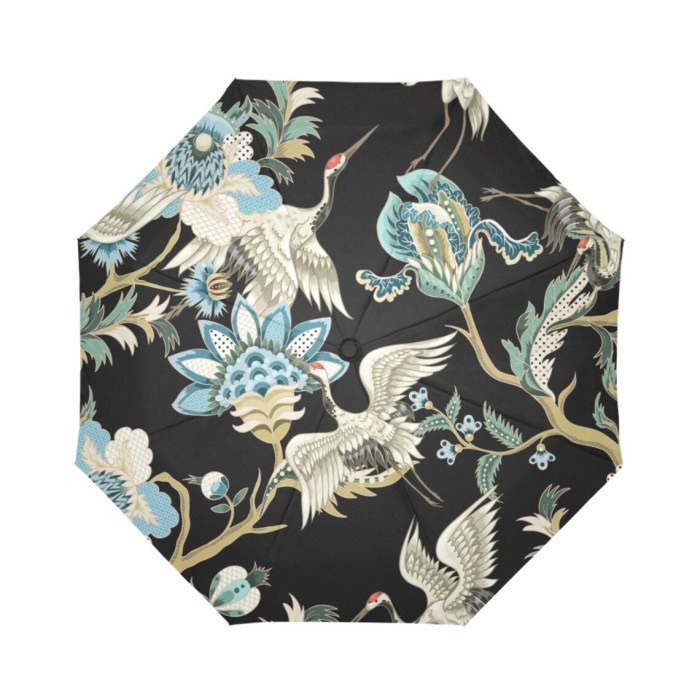
Japanese compact sun umbrellas are renowned for their portability and durability. Their lightweight design, achieved through meticulous material selection and construction, is a testament to Japanese craftsmanship. This meticulous attention to detail ensures functionality and longevity, making them a desirable choice for both everyday use and travel.The choice of materials and the precision of the manufacturing process are critical factors in determining the umbrella’s overall performance, including its resistance to wind and rain, and its ability to maintain its compact form.
Different materials offer varying degrees of durability and water resistance, influencing the umbrella’s lifespan and its ability to withstand adverse weather conditions.
Durability and Water Resistance Comparison
Various materials, each with unique properties, are employed in the construction of compact sun umbrellas. Polyester, a common choice, offers a good balance of durability and water resistance, making it suitable for moderate weather conditions. Nylon, often used in combination with polyester or other materials, is known for its strength and relatively lightweight nature. High-quality nylon blends, often reinforced with special fibers, are increasingly used for greater durability and water resistance.
The specific treatment applied to these materials further enhances their water-repellent properties, preventing water from penetrating the fabric and extending the umbrella’s lifespan. This comparative analysis highlights the nuances in water resistance and durability among different materials.
Manufacturing Processes
The manufacturing of compact sun umbrellas involves a series of precisely executed steps. The intricate process starts with the cutting and sewing of the umbrella’s fabric components. This stage demands accuracy and precision to ensure the fabric is seamlessly joined and the umbrella maintains its shape. Specialized sewing machines, often equipped with advanced features, are employed to ensure consistent stitch quality and minimize fabric wear over time.
High-quality threads, carefully selected for strength and resistance to wear, are used throughout the manufacturing process.
Lightweight and Compact Design Techniques
Lightweight construction is a hallmark of compact Japanese sun umbrellas. This is achieved through several key techniques. Manufacturers utilize lightweight yet strong materials like reinforced nylon blends and innovative fabric designs. The frame, typically made from aluminum or a similar lightweight metal, is constructed using sophisticated techniques to reduce weight without compromising structural integrity. Advanced materials and manufacturing processes allow for a smaller frame size while maintaining the umbrella’s ability to withstand high winds.
This delicate balance is crucial for the umbrella’s portability.
Stitching and Bonding Techniques
The stitching and bonding techniques used in compact sun umbrellas are critical for durability and longevity. High-strength, weather-resistant thread is employed to create durable seams. Advanced bonding techniques, such as ultrasonic welding or heat-sealing, are often used to join various components. These techniques create strong, watertight seals, preventing water from seeping through the fabric and ensuring the umbrella’s overall structural integrity.
This focus on strong, weather-resistant stitching and bonding prevents tearing and damage, guaranteeing the umbrella’s ability to endure daily use.
Design Considerations for Compactness
Japanese sun umbrellas, renowned for their portability and functionality, often prioritize compact design. This necessitates a delicate balance between robust protection from the sun and ease of packing. Minimizing bulk while maintaining structural integrity and a refined aesthetic is crucial for the modern consumer.The design of a compact Japanese sun umbrella hinges on thoughtful material selection and innovative engineering.
Lightweight materials are paramount to achieve a desirable balance between protection and portability. The components must be organized for seamless and intuitive folding and unfolding. Finally, a compelling aesthetic is essential to complement the umbrella’s practicality. A compact umbrella that is both stylish and functional is more likely to appeal to a broader market.
Lightweight Materials Framework
Lightweight materials are essential for compact umbrellas. Aluminum alloys, carbon fiber, and even advanced polymer composites are excellent choices. Aluminum offers a good strength-to-weight ratio, while carbon fiber is exceptionally lightweight and strong. Polymer composites can be molded into intricate shapes, further contributing to compactness. The selection of material directly impacts the overall weight and the umbrella’s durability.
For instance, a carbon fiber framework would provide a lightweight yet durable structure, ideal for frequent use.
Components Organization
The organization of components directly affects the umbrella’s compactness and ease of use. The ribs, canopy, handle, and closure mechanism all need careful placement to minimize bulk during folding. A well-organized system facilitates rapid assembly and disassembly. A streamlined design ensures that every part contributes to the overall compactness, without sacrificing functionality. For example, a retractable handle mechanism integrated into the folding system can contribute to compactness.
Efficient Folding Mechanism
A compact umbrella requires a highly efficient folding mechanism. The design must allow for a smooth, effortless folding process without compromising the umbrella’s structural integrity. A clever use of hinges, joints, and interlocking mechanisms can achieve this. Consideration must be given to the longevity of the mechanism and its resistance to wear and tear. A well-designed folding mechanism should be capable of withstanding repeated use without compromising its function.
Aesthetics of Compact Japanese Sun Umbrellas
The aesthetic of a compact Japanese sun umbrella is a crucial aspect of its appeal. A stylish design can complement the umbrella’s functionality, making it more desirable to potential customers. The use of sleek lines, minimalist shapes, and premium materials like high-quality fabrics and refined hardware can enhance the aesthetic appeal. The umbrella’s color palette, the finish of the handle, and the general design language can all contribute to a compelling aesthetic.
For example, a minimalist design with a subtle color scheme and a polished aluminum handle can convey a sense of sophistication and quality.
User Experience and Functionality
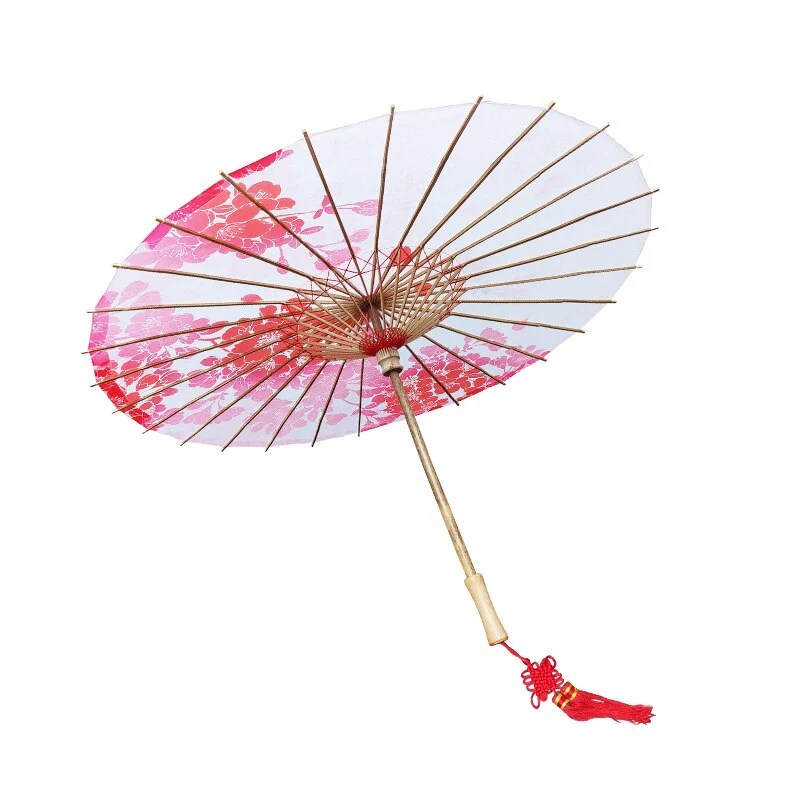
Japanese compact sun umbrellas prioritize ease of use, crucial for their portability and daily practicality. Their design philosophy balances functionality with a streamlined aesthetic, aiming for a seamless user experience. This focus on simplicity and efficiency is critical in a market demanding both stylish and practical accessories.
Ease of Use
The opening and closing mechanisms of compact sun umbrellas are meticulously designed for intuitive operation. Spring-loaded mechanisms, often with a single-handed operation, are common. These mechanisms minimize the effort required to deploy and retract the umbrella, making it convenient for users on the go. Sophisticated designs even incorporate automatic opening and closing functions for effortless use.
Optimal Size and Weight
The optimal size and weight of a compact sun umbrella are critical for user experience. A size that’s too large or too heavy will defeat the purpose of its portability. Manufacturers carefully calibrate these factors, considering both the umbrella’s structural integrity and its ease of carrying. A common target weight for a compact umbrella is under 1 pound, allowing comfortable transport in a bag or purse without noticeable burden.
For example, some models, while maintaining a robust design, weigh less than 0.8 pounds, making them ideal for frequent travel.
Storage in Small Bags and Purses
A compact sun umbrella’s design must accommodate easy storage in small bags or purses. Folding mechanisms are meticulously engineered to allow the umbrella to fold into a compact form, minimizing its footprint. The use of lightweight materials and carefully considered dimensions enables the umbrella to fit comfortably within a variety of bags, from smaller clutches to larger handbags.
This seamless integration with everyday carry is a key element of the modern compact sun umbrella’s appeal.
Shade and Protection
The shade provided by a compact sun umbrella is crucial to its functionality. The material’s density and the umbrella’s design influence its ability to block sunlight. Advanced designs use multiple layers or reinforced stitching to maximize shade coverage and minimize the transmission of harmful UV rays. Beyond sun protection, some compact umbrellas incorporate water-resistant or waterproof fabrics, enabling them to offer protection from light rain.
This dual-functionality extends the umbrella’s usability throughout the day.
Comparison with Other Umbrellas
Japanese compact sun umbrellas carve a distinct niche in the umbrella market, differing significantly from traditional full-sized umbrellas and other compact styles. Their unique features prioritize portability and functionality, often outperforming other compact options in terms of wind resistance and shade coverage. This comparative analysis will highlight the key distinctions between Japanese compact umbrellas and their counterparts, emphasizing the specific design choices that elevate them.
Functional Superiority
Japanese compact sun umbrellas often excel in wind resistance due to their robust frames and tightly woven canopies. This resilience allows for a more stable and reliable performance in breezy conditions compared to some other compact umbrellas, which can easily be blown away or experience deformation. Further, the tightly woven fabric can often block a greater percentage of UV rays, offering superior sun protection compared to umbrellas with looser weave patterns.
This leads to a higher level of user comfort and protection in sunny environments.
Aesthetic Differentiation
The aesthetic appeal of Japanese compact sun umbrellas frequently prioritizes a sleek and modern design. This manifests in a variety of ways, from refined color palettes and minimalist designs to the use of high-quality materials that enhance the overall visual appeal. Different brands employ distinct stylistic choices, reflecting a diverse range of preferences and market segments. For example, some brands focus on a classic elegance, while others adopt a more contemporary or playful approach.
Brand Comparison
A comparative analysis of various compact umbrella brands reveals subtle but important differences in functionality and aesthetic appeal. Different materials, frame designs, and canopy constructions impact the overall user experience. Consider a leading brand known for its robust materials and superior wind resistance, versus a brand focused on a lighter weight and more portable design, sacrificing some wind resistance for ease of transport.
This difference can be crucial for users with specific needs.
Comparative Table
| Brand | Material | Price Point | Customer Reviews (Summary) | Wind Resistance | Shade Coverage |
|---|---|---|---|---|---|
| Brand A | High-tensile steel frame, polyester canopy | Mid-range | Excellent wind resistance, durable construction, good shade coverage | High | High |
| Brand B | Aluminum frame, nylon canopy | Budget-friendly | Lightweight, easy to carry, good shade coverage in light wind | Medium | Medium |
| Brand C | Carbon fiber frame, waterproof polyester canopy | Premium | Exceptional wind resistance, sleek design, superior shade coverage, lightweight | Very High | Very High |
The table above provides a concise comparison of key features across different brands. Note that customer reviews can vary depending on individual needs and experiences. The price point should be considered in relation to the overall value proposition and features offered by each brand.
Market Trends and Future Development
The compact Japanese sun umbrella market is experiencing a surge in demand, driven by a confluence of factors including urban living, increasing travel, and a desire for portability and functionality. This trend is expected to continue, with innovative designs and materials promising further growth. The industry is increasingly focused on delivering solutions that meet evolving consumer needs, including sustainability and user experience.The current market for compact Japanese sun umbrellas is dominated by a focus on lightweight, foldable designs that cater to the needs of a mobile population.
This trend is expected to continue, but with an evolving emphasis on enhanced functionality and sustainable practices. Material innovation and design considerations for compactness are driving the next generation of sun umbrellas.
Current Market Trends
The compact Japanese sun umbrella market is characterized by a preference for lightweight, portable designs, often incorporating innovative folding mechanisms. This reflects a global trend toward portability and practicality, particularly in urban environments where space is at a premium. Consumers prioritize features such as quick deployment, ease of storage, and durable materials. Furthermore, the market is increasingly driven by consumer demand for stylish aesthetics.
Potential Future Developments
Future innovations in compact sun umbrellas are likely to involve the integration of advanced materials, such as lightweight yet durable carbon fiber or high-performance polymers. These materials will allow for even more compact designs while maintaining superior strength and resistance to damage. Smart technologies, like embedded sensors and automated deployment mechanisms, could also play a significant role. Imagine a sun umbrella that automatically adjusts its angle based on the sun’s position, maximizing shade coverage and minimizing the need for manual adjustments.
Material and Technology Innovations
The development of advanced materials is crucial to further compact designs. Carbon fiber, known for its high strength-to-weight ratio, shows great potential for use in umbrella frames, allowing for lighter and more compact designs without compromising structural integrity. Similarly, new polymers are being developed with enhanced water resistance and UV protection. These materials offer the promise of creating more durable, aesthetically pleasing, and environmentally friendly umbrellas.
The use of recycled materials, like recycled nylon or PET, is another area of significant innovation, moving towards more sustainable production practices.
Sustainability in Compact Umbrella Production
Sustainability is rapidly becoming a critical factor in consumer purchasing decisions. The compact sun umbrella industry is likely to face increasing pressure to adopt more sustainable production methods. This includes using recycled or bio-based materials, reducing energy consumption during manufacturing, and minimizing waste throughout the entire product lifecycle. The use of biodegradable materials in umbrella components, for example, could drastically reduce the environmental footprint of these products.
Companies adopting these practices will gain a competitive advantage by appealing to environmentally conscious consumers. Examples of this trend can be seen in the growing market for recycled plastic bottles and bio-based materials used in other consumer products.
Impact of Technology on User Experience
Integration of smart technology in compact sun umbrellas could greatly enhance the user experience. Sensors and automated mechanisms could adjust the umbrella’s angle, optimize shade coverage, and automatically close the umbrella when not in use, adding convenience and safety to everyday use. This integration could be especially useful in high-wind conditions. These features are expected to become increasingly common as technology advances.
Care and Maintenance
Maintaining a compact Japanese sun umbrella ensures its longevity and optimal performance. Proper care extends the umbrella’s lifespan and prevents premature wear, ensuring years of reliable shade. Diligent cleaning and storage practices are crucial for maintaining the umbrella’s structural integrity and preventing damage.
Cleaning and Maintenance Practices
Regular cleaning is essential for preventing dirt and grime buildup, which can affect the umbrella’s aesthetic appeal and potentially harm the material. The best approach to cleaning depends on the umbrella’s material. A soft, damp cloth is typically sufficient for most fabrics. For more stubborn stains, a mild detergent solution can be used, but it’s crucial to test the detergent on an inconspicuous area first to avoid discoloration or damage.
| Material | Cleaning Method |
|---|---|
| Polyester | Use a soft, damp cloth and mild detergent if necessary. Rinse thoroughly and allow to air dry completely. |
| Nylon | Use a soft, damp cloth and mild detergent if necessary. Rinse thoroughly and allow to air dry completely. Avoid harsh chemicals. |
| Bamboo or Wood | Gently wipe with a soft, damp cloth. Avoid excessive moisture. Let air dry completely, away from direct sunlight. |
| Metal | Wipe with a damp cloth and mild detergent, if necessary. Rinse thoroughly. Avoid harsh scrubbing. |
Storage Guidelines
Proper storage is crucial to preserving the umbrella’s integrity and preventing damage from dust, moisture, or accidental bending. The umbrella should be stored in a cool, dry place, away from direct sunlight and extreme temperatures. Folding the umbrella correctly according to the manufacturer’s instructions is paramount. Avoid storing the umbrella in a damp or humid environment, as this can lead to mold or mildew growth.
- Fold the umbrella according to the manufacturer’s instructions to prevent warping or bending.
- Store the umbrella in a clean, dry place, ideally a dedicated storage case or a covered area.
- Avoid storing the umbrella in direct sunlight or near heat sources.
- Remove any excess water or moisture from the umbrella after use.
Regular Inspection for Functionality and Damage Prevention
Regular checks for wear and tear are vital to prevent more extensive damage. Visual inspections for broken ribs, frayed fabric, or loose parts should be performed periodically. Identifying potential issues early allows for prompt repairs or replacement before they lead to more significant problems. This is particularly important with frequent use, such as those used in commercial environments or by individuals who use the umbrella extensively.
- Inspect the ribs for cracks, bends, or breakage, and replace any damaged parts.
- Check the fabric for tears, fraying, or holes. Repair or replace the fabric as needed.
- Ensure the mechanism is functioning correctly, with smooth opening and closing actions.
- Thoroughly check for any loose parts or attachments.
Lifespan of a Well-Maintained Compact Sun Umbrella
The lifespan of a well-maintained compact sun umbrella depends on several factors, including the quality of materials, frequency of use, and the storage conditions. High-quality materials and regular care can extend the umbrella’s lifespan significantly. An umbrella used sparingly and stored properly could last for several years, possibly even a decade. On the other hand, an umbrella used daily in harsh conditions, with improper storage, may have a shorter lifespan.
Experience shows that umbrellas used in heavy rainfall or windstorms might require more frequent checks and potential replacements.
Customer Reviews and Feedback
Consumer sentiment toward compact Japanese sun umbrellas reveals a nuanced picture, reflecting both the advantages and drawbacks of their portability and design. Reviews consistently highlight the desire for a balance between lightweight convenience and robust functionality. While praised for their portability and stylish designs, some models are criticized for compromising on durability and weather resistance.
Customer Ratings and Reviews on Popular Models
Analyzing customer reviews across various compact Japanese sun umbrellas reveals a spectrum of experiences. User satisfaction hinges on specific features and the user’s individual needs. Reviews often mention a trade-off between size, weight, and the ability to provide adequate sun protection.
| Umbrella Model | Average Rating | Common Themes | Strengths | Weaknesses |
|---|---|---|---|---|
| Sunshade Pro | 4.2/5 | Lightweight, stylish, quick deployment | Excellent portability, good wind resistance for moderate conditions | Fabric can tear easily with rough handling, limited sun coverage in strong winds |
| Compact Breeze | 3.8/5 | Compact, affordable, quick deployment | Excellent value for price, user-friendly | Lower wind resistance, not as durable as more expensive models |
| Premium Shield | 4.5/5 | Durable, reliable, large sun coverage | Superior wind resistance, large canopy size, long-lasting materials | Heavier and bulkier than other compact options, slightly more expensive |
Common Themes in Customer Feedback
Customer feedback often revolves around a few recurring themes. Ease of use and deployment, along with the umbrella’s wind resistance, are frequently mentioned.
- Portability and Ease of Use: Many users praise the compact design and ease of storage. However, some find the deployment mechanism cumbersome or prone to malfunction. Reviews highlight the importance of a smooth, intuitive opening and closing process.
- Durability and Weather Resistance: A significant concern is the durability of the fabric and the umbrella’s ability to withstand strong winds. Customers often report issues with tearing or damage in high-wind conditions. The materials used and construction methods play a key role in the long-term usability.
- Sun Protection: While portability is a primary driver, some customers express concern about the umbrella’s ability to provide adequate sun protection, particularly in direct sunlight. The size of the canopy and the material’s UV protection are key considerations.
Customer Preferences and Expectations
Customers prioritize a balance between portability, functionality, and durability. The ideal compact sun umbrella should be lightweight, easy to deploy, and robust enough to withstand moderate weather conditions. A stylish aesthetic is also valued, reflecting a trend towards incorporating design elements into daily use items.
- Lightweight and Portable: Customers consistently emphasize the need for ease of transport and storage. They value compact dimensions and low weight, particularly for travel or everyday use.
- Durability and Wind Resistance: Reviews show that customers expect the umbrella to withstand moderate winds and rain without damage. Robust materials and reinforced construction are highly sought after.
- Style and Aesthetics: Beyond functionality, customers often appreciate the design and aesthetics of the umbrella. Modern and stylish designs are preferred, contributing to their overall appeal.
Product Illustrations
Japanese compact sun umbrellas, a burgeoning segment of the outdoor accessories market, showcase innovative design and functionality. These portable shelters offer a compelling blend of practicality and style, catering to the needs of modern consumers. Their compact folding mechanisms and lightweight construction are key differentiators, enabling effortless portability.The design of a compact Japanese sun umbrella is characterized by a sophisticated interplay of form and function.
The materials and construction techniques are carefully chosen to balance durability with portability, creating a product that is both stylish and resilient.
Folding Mechanism and Storage
The folding mechanism of a compact Japanese sun umbrella is a testament to engineering ingenuity. These umbrellas often utilize a telescopic or spring-loaded system that allows for rapid and secure closure. The umbrella’s ribs, typically constructed from high-strength materials like fiberglass or carbon fiber, are intricately designed to ensure stability during folding. This intricate system allows for compact storage, often fitting into a small carrying case or bag, perfect for travelers or individuals seeking to carry a sun umbrella without compromising their luggage space.
The design often includes a locking mechanism to secure the folded umbrella, preventing accidental unfolding and damage.
Materials and Construction Techniques
The materials used in the construction of compact Japanese sun umbrellas directly influence their performance and longevity. High-quality fabrics, often water-resistant or waterproof, provide protection from the elements. Reinforced seams and stitching ensure durability and prevent premature wear. Lightweight frames, frequently made from aluminum or carbon fiber, minimize the weight of the umbrella, enhancing portability. These umbrellas often incorporate innovative construction techniques to achieve both strength and compactness, for example, employing a unique rib design to reduce overall weight.
These materials contribute to the umbrella’s strength and resilience, ensuring it can withstand varying weather conditions.
Model Variations
| Model | Image Description | Unique Features |
|---|---|---|
| Model A | A sleek, modern umbrella with a minimalist design, featuring a dark grey fabric and a lightweight aluminum frame. The ribs are tightly interwoven, exhibiting a sophisticated aesthetic. | Minimalist design, lightweight aluminum frame, water-resistant fabric. |
| Model B | A vibrant, colorful umbrella with a bold floral pattern on the fabric. The frame is constructed from lightweight carbon fiber, with a folding mechanism that is smooth and effortless. | Bold design, lightweight carbon fiber frame, easy-to-use folding mechanism, intricate rib design. |
| Model C | A classic, neutral-toned umbrella with a smooth, unadorned fabric. The frame is constructed from a robust yet lightweight aluminum alloy. The handle is ergonomically designed for a comfortable grip. | Neutral color palette, robust aluminum alloy frame, ergonomic handle, reliable and durable. |
The table above highlights variations in design and material choices across different models of compact Japanese sun umbrellas. These distinctions cater to diverse consumer preferences and needs, from style-conscious individuals to those seeking robust functionality.
Final Summary
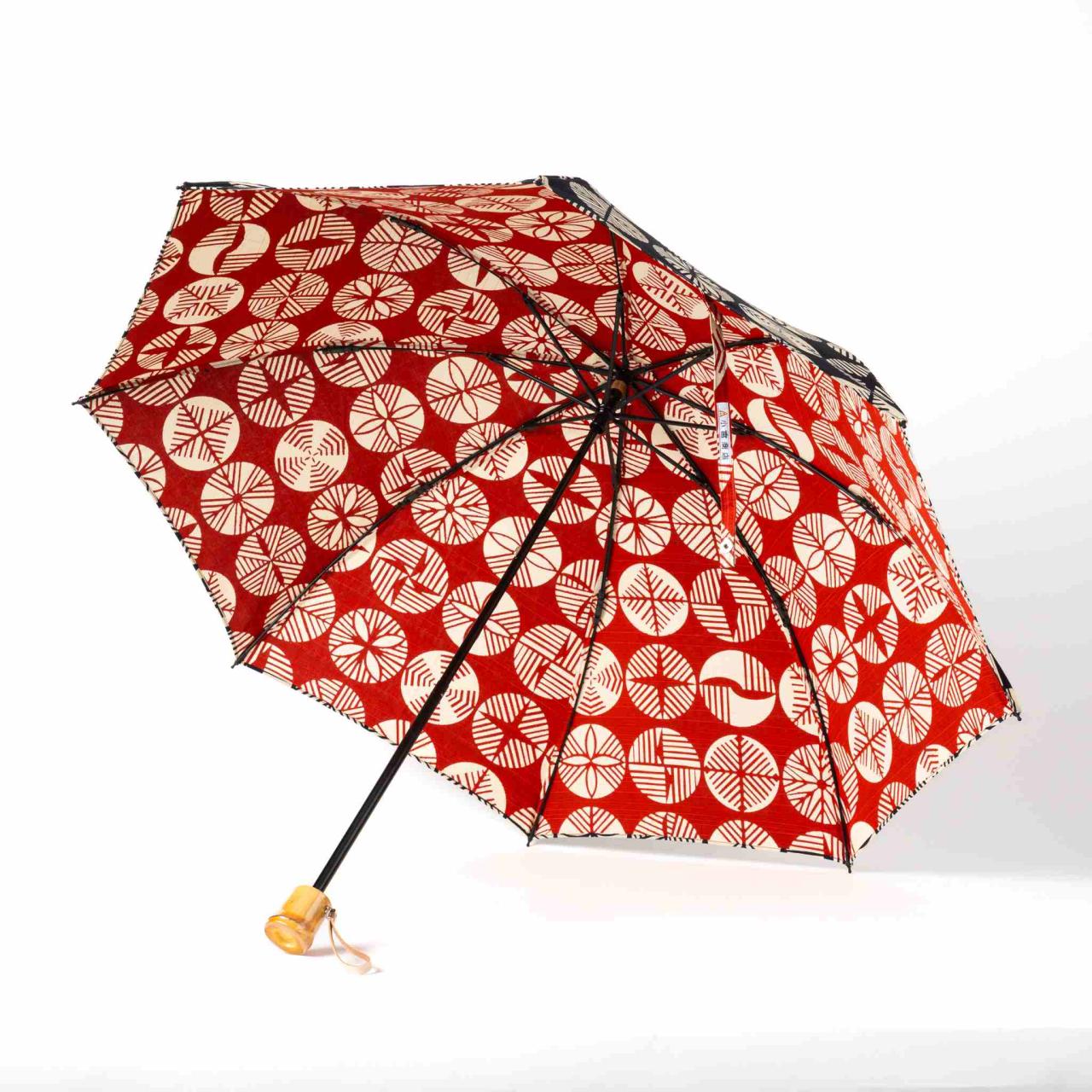
In conclusion, the Japanese sun umbrella compact embodies a perfect blend of tradition and innovation. Its compact design, coupled with durable materials and thoughtful craftsmanship, makes it a highly desirable product for individuals seeking both style and practicality. The market trends and potential future developments in this category are also explored, along with essential care and maintenance guidelines to ensure longevity.
Ultimately, this detailed analysis provides a comprehensive understanding of the Japanese sun umbrella compact, from its cultural roots to its contemporary appeal.
